
Just a heads-up: some of the links provided are affiliate links, which means I may earn a small commission if you make a purchase through them, but this comes at no extra cost to you and helps support the creation of more content like this. Thank you!
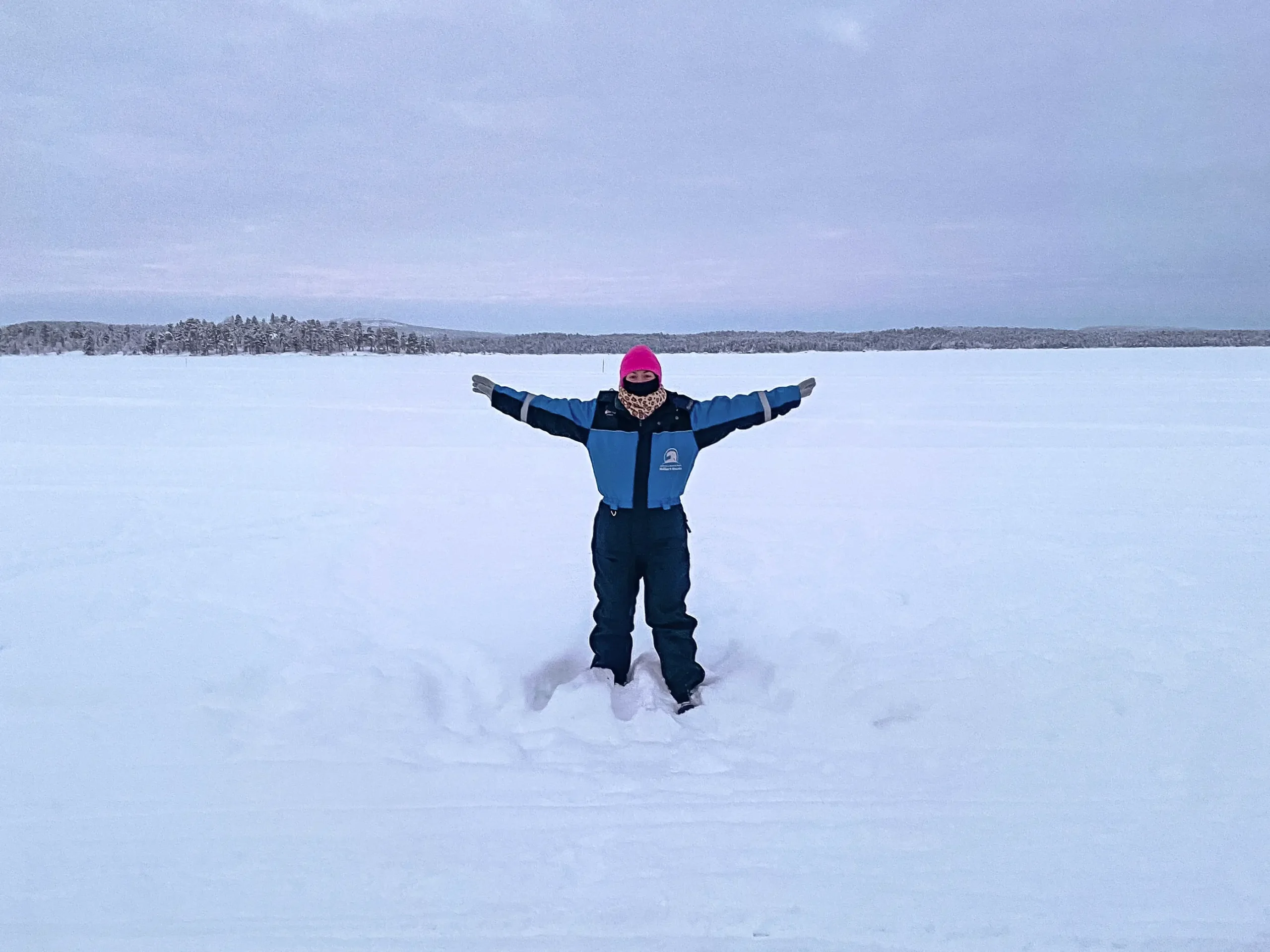
I’m a highly organised person, so I did my homework on what to pack for Lapland before my trip to make sure I was fully prepared. The internet had assured me of an average low of -14°C, but when I got on the airport transfer to my hotel, the LED display flashed a bone-chilling -26°C. And it didn’t get any warmer. In fact, temperatures in Finnish Lapland sometimes plummeted to a staggering -30°C.
Fortunately, my meticulous packing paid off, and I stayed reasonably warm throughout my five days in Finland. But after experiencing such extreme cold, there are a few things I’d do differently. Things you might not find on your average Lapland packing list.
So, if you’re wondering what to wear in Lapland in winter, here’s what worked for me, what didn’t and a few lessons from my Arctic adventure.
What I wore in Lapland in winter
There are plenty of packing lists and guides to preparing for a winter holiday. Rather than adding to the overload of content, I’d rather cut to the chase and just tell you what I wore and whether I’d recommend it.
Base layers
I bought the HEATTECH Ultra Warm Crew Neck T-shirt and Ultra Warm Leggings from Uniqlo. I was happy with both and would buy them again. They made a good foundation for the rest of my layers and kept me comfortable throughout the trip.
Mid-layers
Over my thermals, I wore a thin pair of ski trousers, Uniqlo’s HEATTECH Extra Warm Cashmere Blend Turtleneck T-shirt and this cosy fleece. This combination worked well. The fleece was particularly useful for wearing underneath the snowsuit provided by my hotel, rather than squeezing my own coat underneath it, as many other visitors seemed to do.
Outer layers
I bought a waterproof down jacket from Mountain Warehouse and a pair of fluffy-lined waterproof boots. However, I ended up wearing the boots provided by my hotel, along with their snowsuit, gloves and balaclavas for outdoor activities. It’s worth checking what’s included with your accommodation before buying lots of specialist winter clothing. You might not need as much as you think.
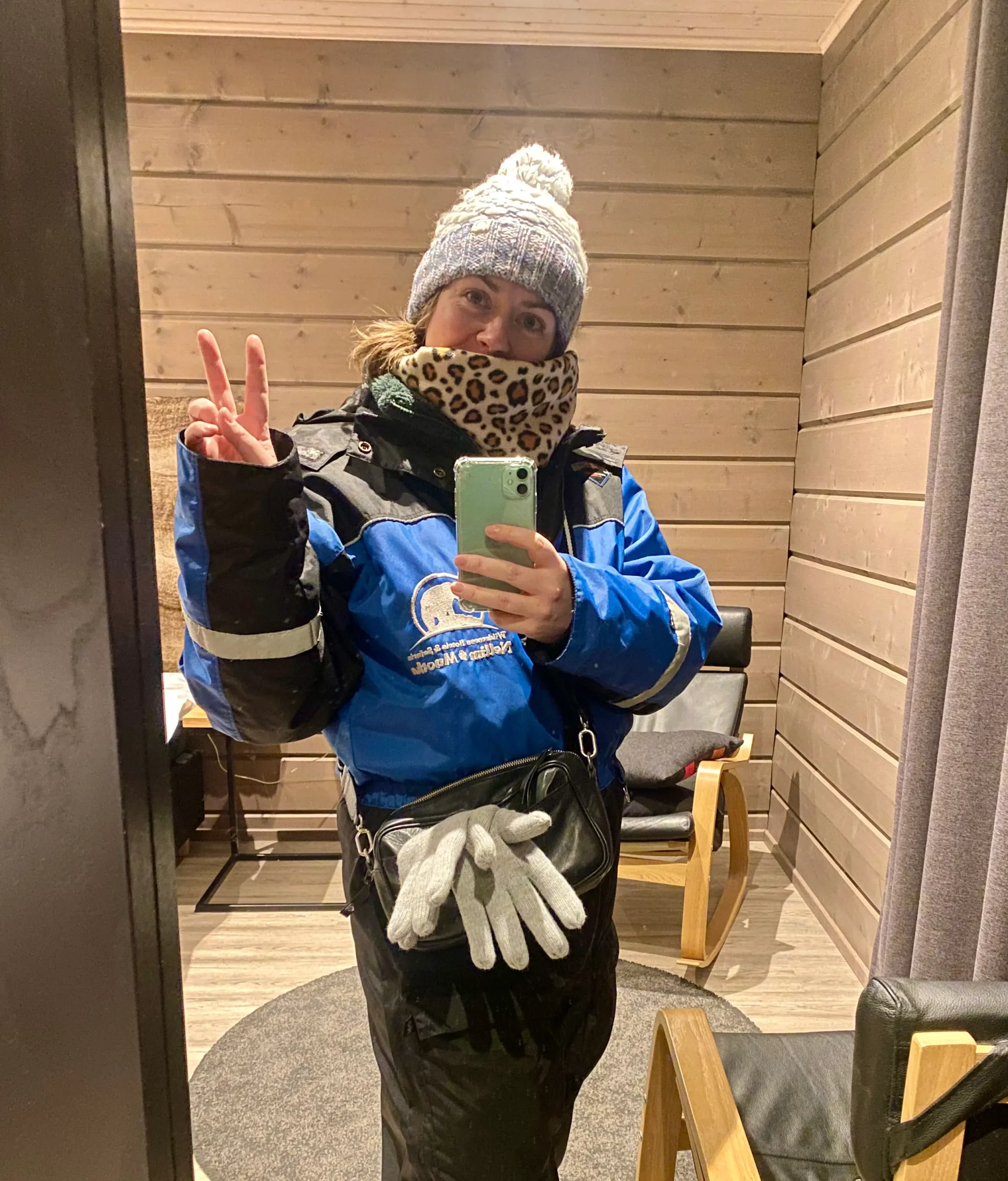
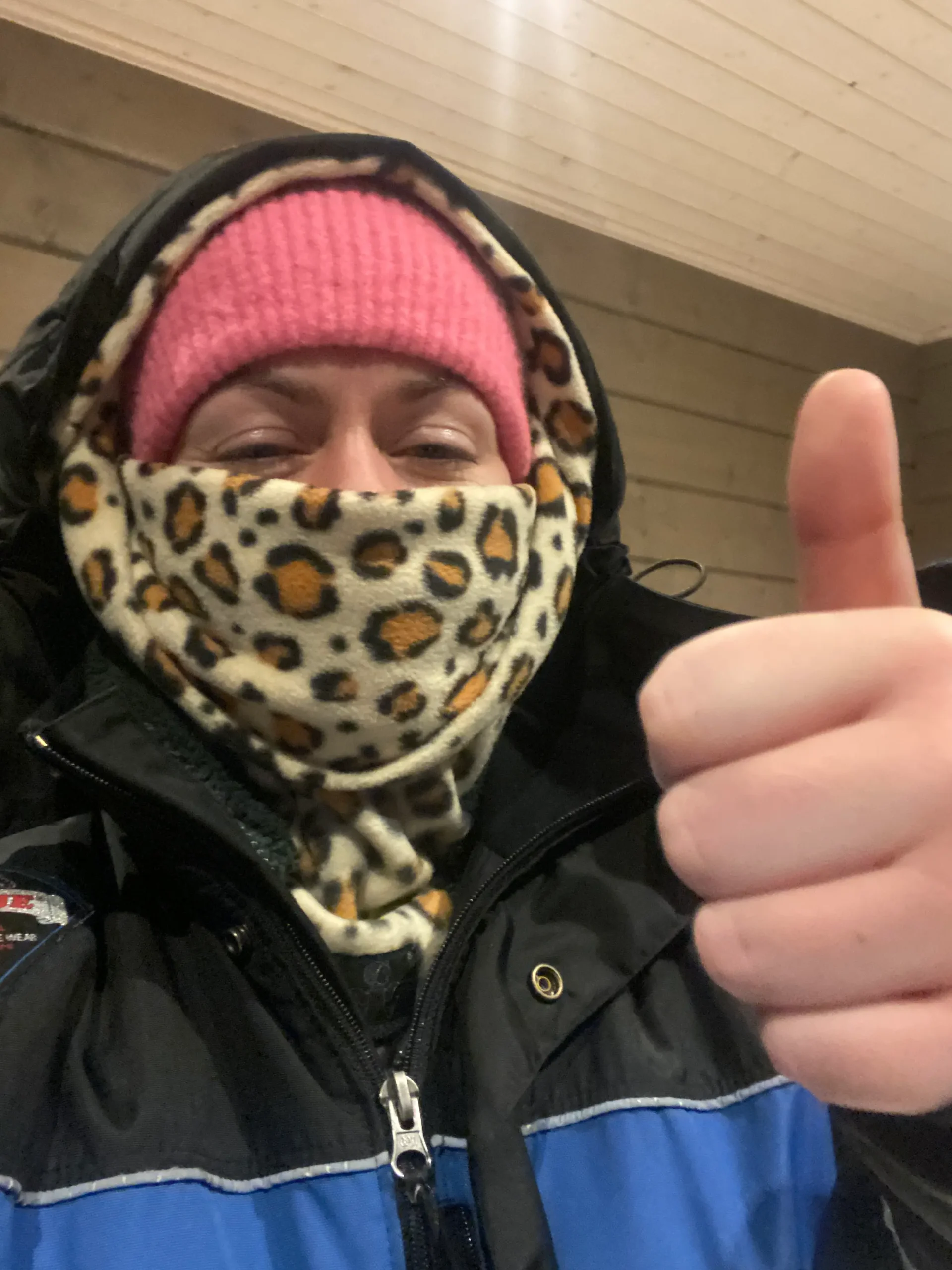
Overall, I was happy with my choices and stayed reasonably warm. But I do have a few more niche recommendations about preparing for the extreme cold.
7 Lapland tips for when it’s extremely cold
1.Drive the snowmobile
Snowmobiling is a common way to get around Finnish Lapland, so there’s a good chance you’ll get to ride one during your trip. I highly recommend taking the driver’s seat if you get the chance. Why? Because the handlebars are heated!
As a solo traveller, I didn’t have to worry about sharing with another guest. If you’re travelling with someone else, volunteering to drive means you’ll have a much warmer and more enjoyable experience up front. Or at least swap halfway through.
I got chatting to an older couple at the hotel who’d just returned from snowmobiling, and the woman was absolutely freezing. She mentioned that her husband had done all the driving, so I dropped him in it by pointing out that she’d missed out on the heated handlebars!
2. Choose your scarf wisely
Don’t rely on your favourite high-street winter scarf to keep you warm in extreme cold. You’ll need something a little more substantial. Thanks to TikTok, I discovered this snood from Polo Pancho, and I absolutely love it.
Invented by a motorbike rider in New Zealand, it can be styled in around 20 different ways. Its design covers your chest and back without leaving awkward gaps. I found it particularly handy when snowmobiling as I could fold it over my head and face for extra warmth. I’m already thinking about getting another one in a different colour.
3. Bring a spare balaclava
If you’re going snowmobiling, you’ll usually be provided with a balaclava to wear underneath your helmet. But in extreme cold, the visor can freeze up, leaving your face more exposed.
I learnt this the hard way during an incredible evening under the northern lights. My face was frozen and my balaclava had become damp, probably from moisture in my breath. Even with my snood, the cold, damp fabric against my skin was uncomfortable. By the time we headed back, my cheeks were painfully cold and I would have loved a dry balaclava to change into.
4. Take touchscreen gloves
I packed a pair of thick thermal gloves and the hotel provided waterproof mittens to wear over the top. The problem was that I kept taking them off to use my phone to take photos, and my hands quickly became painfully cold. At one point, my fingers were so numb that I couldn’t initially feel the warmth of a fire our guide had started.
I’d recommend taking touchscreen-compatible inner gloves so you can use your phone without exposing your bare hands to the cold. You can then wear your thicker gloves or mittens over the top.
5. Get some disposable hand warmers
Before leaving England, I bought reusable hand warmers, thinking they’d be the more environmentally friendly option. What I hadn’t considered was that they needed to be reactivated in boiling water before they could be used again. Once they’d cooled down during several hours outdoors, there was no way to get them working again until we got back inside.
Luckily, our guides carried disposable hand warmers, so we could activate a fresh pack whenever we needed an extra boost. Not the most eco-friendly solution, but they’re essential when you’re spending hours outside in -30°C.
6. Pack a rich moisturiser
Thankfully, I didn’t get frostbite, but repeatedly taking my gloves off to take photos did leave me with dry, red and itchy patches on my knuckles. I’d recommend bringing a rich moisturiser for your hands and face after a day in the bitter cold. I used this one from La Roche-Posay.
7. iPhone users, beware
iPhones don’t seem to be particularly keen on extreme cold. When I went dog sledding, my battery had 60% charge remaining. I took a brief ten-second video and it plummeted to 5%.
I’d recommend starting the day with a fully charged phone, limiting how much you use it outdoors and keeping it in an inside pocket close to your body when you’re not taking photographs. A power bank is also worth bringing, but keep that warm, too.
My Lapland winter shopping list at a glance
Here’s a roundup of the products I used or recommend based on my experience of -30°C temperatures in Finnish Lapland.
– Uniqlo HEATTECH Ultra Warm Crew Neck T-shirt
– Uniqlo HEATTECH Ultra Warm Leggings
– Uniqlo HEATTECH Extra Warm Cashmere Blend Turtleneck T-shirt
– Uniqlo fleece: Ideal underneath the snowsuit provided by my hotel.
– A waterproof down jacket
– Polo Pancho snood: One of my favourite discoveries for keeping my neck and face covered.
– Balaclava: Pack a spare if you’re going on long outdoor excursions.
– Touchscreen-compatible gloves: So you can take photos without exposing your bare hands.
– Disposable hand warmers: Essential for extended periods outdoors in extremely cold temperatures.
– La Roche-Posay moisturiser: To soothe dry, irritated skin after a day in the cold.
A few other essentials: Don’t forget a warm hat that covers your ears, thermal or wool socks, insulated winter boots, lip balm and a power bank for your phone. I struggled most with keeping my hands, face and feet warm, so give those areas extra thought. Check what your accommodation provides before buying specialist gear, as you might not need to bring everything.
Would I go back to Lapland?
Absolutely! Despite not being mentally prepared for Finland to be quite so freezing, my trip was nothing short of amazing. Yes, that knife-cold slap in the face every morning was a bit of a shocker, but it certainly didn’t spoil my trip. If anything, it made it even more of an adventure.
My advice to anyone planning a winter trip to Lapland is to pack plenty of layers, check what gear your accommodation provides and pay particular attention to keeping your hands and face warm. Above all, enjoy every moment of the unique Lappish wilderness.
Oh, and don’t be surprised when you step off the plane and feel the hairs and moisture inside your nose slowly freezing.
