
You’ve seen it before. The classic seaside scene of shops across the seafront, selling all the beach essentials: ice cream, buckets and spades, fish and chips and what locals call “snappers”.
The under-a-tenner brightly coloured polystyrene bodyboards offer a perfectly affordable beach expense for sea-loving families. But, despite their low cost, the environmental cost is high. Made from a block of polystyrene wrapped in plastic cloth, the boards are often sourced from southern China and transported thousands of miles across the world, only to snap after a day of surfing fun.
Keep Britain Tidy estimates that around 16,000 polystyrene boards are abandoned by frustrated owners on U.K. beaches every year and end up in landfills or incineration. Worse still, when they snap, they often unleash thousands of tiny polystyrene pieces into the environment, posing a direct threat to marine life that mistake them for food.
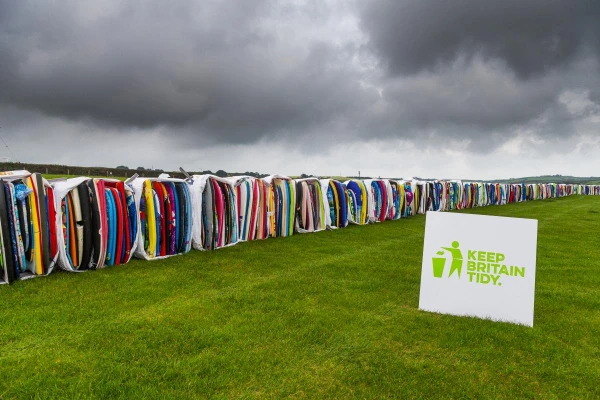
Neil Hembrow, from Keep Britain Tidy, has spent the past fourteen years working to raise awareness of the harm caused by what are effectively single-use plastic boards that create a “staggering” amount of waste.
Why not just ban polystyrene bodyboards?
Westward Ho! boasts the proud title of being the first village in the UK to ban these cheap bodyboards to reduce beach pollution. But is this the best solution?
Neil has concerns after noticing that manufacturers have responded to the ban by simply upgrading their boards, pushing the price to £25 and marketing them as more durable. In this interview, he explains: “You’ve still got this polystyrene core, with a couple of plastic sheets glued to the outside. They last a little bit longer but are actually harder to recycle and use more plastic.”
This brings up a critical question: how do we define a quality board?
Sustainable surf alternatives
Luckily, there are a few options available when looking for an eco-friendly alternative. One example (and my favourite) are the handcrafted wooden bellyboards by Jamie Johnstone of Dick Pearce. He says, “Apart from riding them as a little kid and knowing how fun it is, I wanted to offer a sustainable alternative to those disposable boards. I wanted to make a version that lasts forever.”
Another good option is to go for a board that’s perhaps not made entirely from sustainable materials, but one that is at least built to last. These can be found in any quality surf shop.
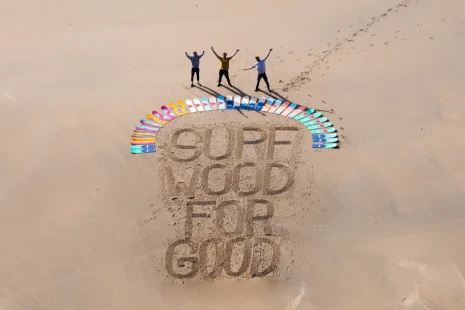
Recognising that not everyone has the money to buy a more sustainable alternative, Jamie has also launched a free bellyboard hire initiative called Surf Wood for Good. Simply drop into one of the many coastal locations across the UK and rent a wooden Dick Pearce bellyboard completely free of charge. The aim is to prevent beachgoers from grabbing a cheap, flimsy board and unintentionally contributing to beach pollution.
“We just thought it would be a nice thing to do at first,” says Jamie.“We were genuinely shocked at the uptake and how many people got behind the idea.”
What is bellyboarding?
Bellyboarding is the art of riding waves on a small wooden board that has a slightly elevated round nose and a flat tail. This method of fringe surfing is thought to date as far back as 2,000 B.C with even the likes of Agatha Christie being a fan.
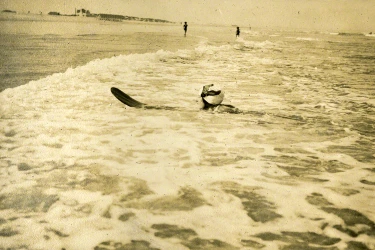
The concern surrounding foam bodyboards has given new life to this sustainable alternative, and I, for one, am a proud bellyboard owner. Growing up in Cornwall, my childhood was spent in the shallows of Newquay’s coastline and I love that bellyboarding allows me to relive that silly, salty happiness!
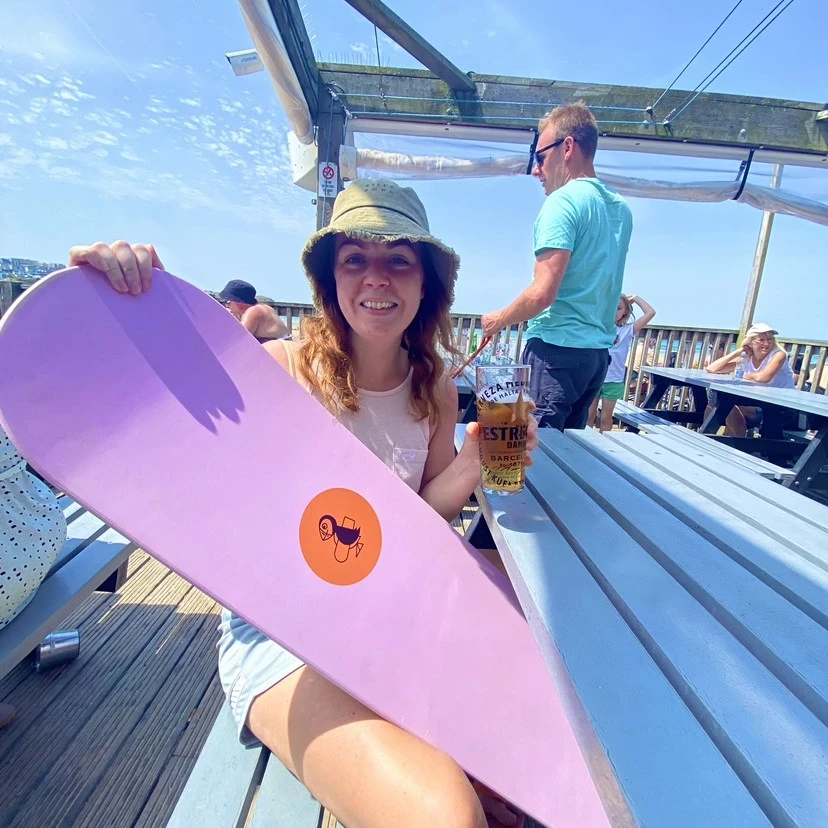
Dick Pearce bellyboards are about 9mm thick and are made from sustainable Baltic Birch plywood. It’s a hugely accessible activity – you don’t need to wait for the perfect surf or go out of your depth, and it’s much easier than trying to stand up on a surfboard! If you’re still curious, check out this guide on how to bellyboard.
“Bellyboards don’t have the buoyancy of foam, so you feel very connected to the water,” Jamie explains.
But because bellyboards have no floatation, this can make them unsuitable for some children or weak swimmers. Please make sure you always bellyboard at a lifeguarded beach, between the red and yellow flags and supervise children at all times.
Is bellyboarding the solution to beach pollution?
Bellyboarding is more than just a fun way to surf – it’s a proactive step towards a cleaner coastline. However, bellyboards alone are probably not the solution to beach pollution. Neil emphasises, “You’ve got to cater to everyone if you’re going to obliterate these cheap boards.”
Catering to everyone means thinking about parents who can’t afford a sustainable £60+ alternative, nervous swimmers who need buoyant support and those who just want a laid-back surf without overthinking it. Neil’s already seen a lot of change:
“There’s a new wave of wooden bellyboards, hire schemes and retailers refusing to stock the cheaper bodyboards.”
Raising awareness about the harmful impact of polystyrene boards will encourage people to make better choices, reducing demand for “snappers” for good. So, the next time you’re in Cornwall or anywhere on the coast, consider how you can ride the waves responsibly. Buy or borrow a quality board from a reputable surf shop, and let’s banish beach pollution for good.
