
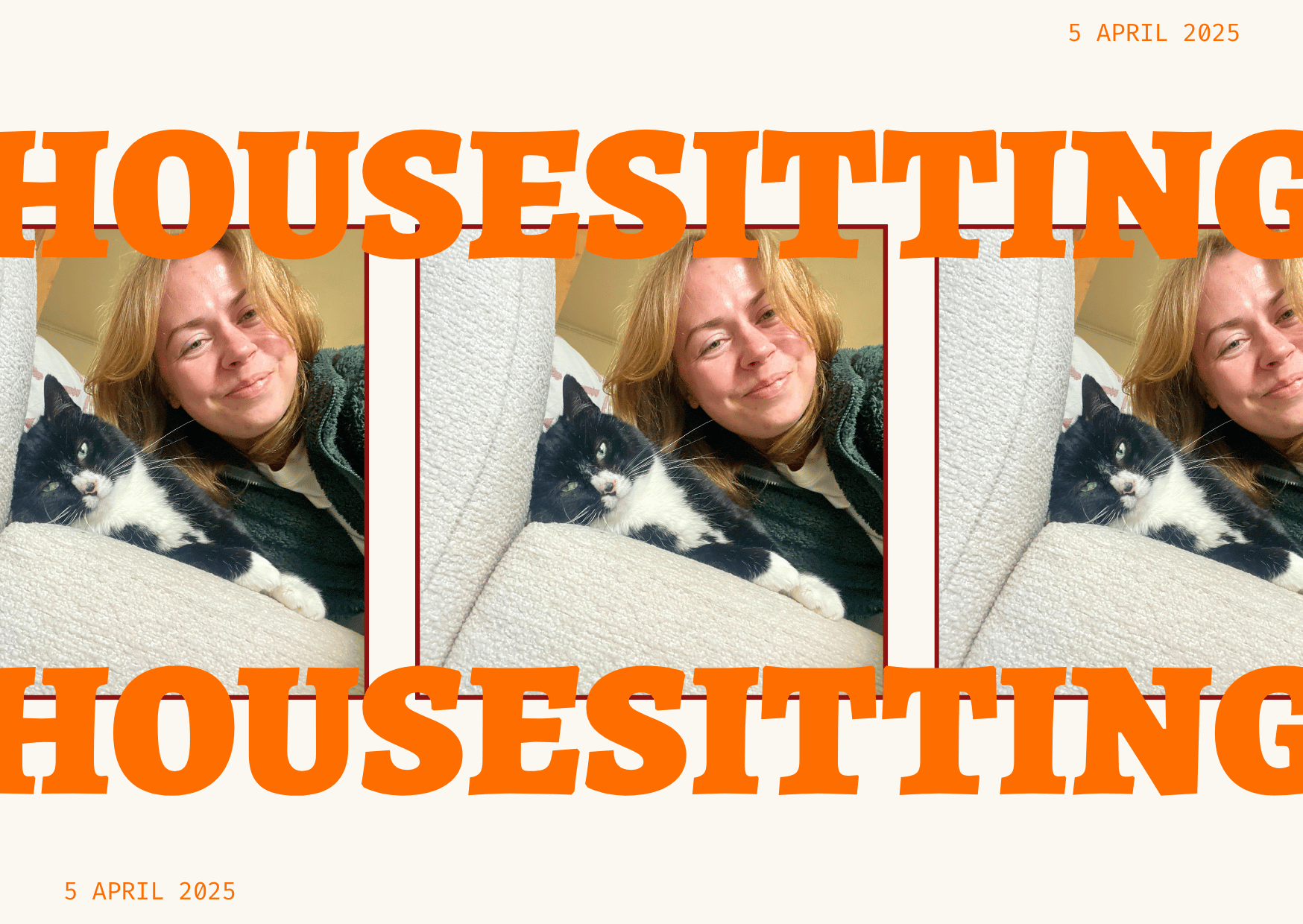
One hundred people are looking at me. Or at least it feels like it.
I’m in Ghent, Belgium, wandering through the centre. As I turn a corner, I suddenly feel like I’ve stepped on stage. Rows of sunglassed faces line both sides of the street. No one looks comfortable. They’re sitting on cushionless wire frame chairs, wobbling as they reach for drinks on the uneven cobblestones. They’re here for the ambience – the waterfront view, the sunshine, the music. Near them, three young men slide pizzas in and out of a fiery outdoor oven, nodding to the beat and barely glancing up to take orders.
Ghent isn’t an overly touristy place, but this scene hints at what it could become. A crowded, creaking centre, groaning under the weight of visitors.
It’s strange, isn’t it? We travel for authenticity, but often end up in spaces created for tourists, with ‘Instagram-worthy’ moments driving our choices.
I resist the urge to join the crowd for a Belgian beer. Instead, I walk back to the house where I’m cat sitting and take a look at my host’s recommendations for local bars closer to home. It’s a small choice, but one that feels right.
Travel isn’t going away. But as we explore, we can choose to be more responsible and mindful of our impact. And I think house sitting can play a big part.
What is house sitting?
House sitting is a win-win arrangement for travellers and homeowners alike.
In exchange for free accommodation, house sitters stay in someone’s home while the owner’s away, ensuring their pets are well cared for and their property remains tidy and secure. This setup lets pet parents travel with peace of mind, knowing their beloved animals are happy and comfortable in familiar surroundings.
For sitters, it’s an opportunity to experience unique and authentic travel, often in neighbourhoods off the beaten tourist path. I’ve been a full-time house sitter since 2022, and it’s my favourite way to travel.
How is house sitting a more responsible travel option?
Overtourism is a pressing issue. You’ve probably heard of Barcelona staging protests against tourists and Venice implementing tourist taxes to manage visitor numbers. While many factors contribute to the negative impact of mass tourism, our choice of where we rest our heads plays a significant role.
Local home vs Airbnb or hotel
In some cities, Airbnb rentals have taken over entire neighbourhoods, forcing residents out of affordable housing and causing these areas to lose their historic culture. House sitting, however, doesn’t displace residents – you’re simply stepping into a local’s shoes for a while.
Hotels are also not a hugely sustainable choice. They require energy every hour of every day to provide guests with constant access to heating, hot water and electricity. According to TrustedHousesitters, staying in a residential home vs a hotel can reduce accommodation-related carbon emissions by up to 88% per night in the UK.

House sitters stay longer and fly less
Unlike backpacking where you can be city-hopping every few days to squeeze it all in, house sits are often longer stays in each location, meaning fewer flights and transportation. I actively look for sits that are two weeks or more, and the longest so far has been six weeks.
Minimalism of long-term house sitters
If you plan to house sit full-time like me, you quickly learn to live with less. When you have to fit your whole life into a suitcase or backpack, you realise how little you truly need, and tend to make more thoughtful purchases.
House sitters produce less waste than the standard traveller
Unlike standard travellers who often rely on takeaways and single-use plastics, house sitters have access to fully equipped kitchens. Many homeowners leave fresh food and cupboard essentials, reducing food waste and packaging. You’ll also be left with instructions on how their recycling and composting system works, something you’re less likely to do if you’re staying in a hotel.
Staying outside of tourist centres
House sits are often located in quiet neighbourhoods, which helps to ease some of the pressure on the busy tourist centres. Homeowners will usually leave nearby recommendations, which can lead you to hidden gems you might otherwise miss.
What are the downsides of house sitting?
Free accommodation, a cute pet and making a positive impact on the environment – what’s the catch?
Well, it’s worth mentioning that you won’t be able to treat this homestay like a regular holiday. You’ll need to clean, commit to the entire sit and take on household and pet care duties. Your travel plans will be limited to specific dates and locations, and saying goodbye to the pets and places you’ve grown to love can be challenging!
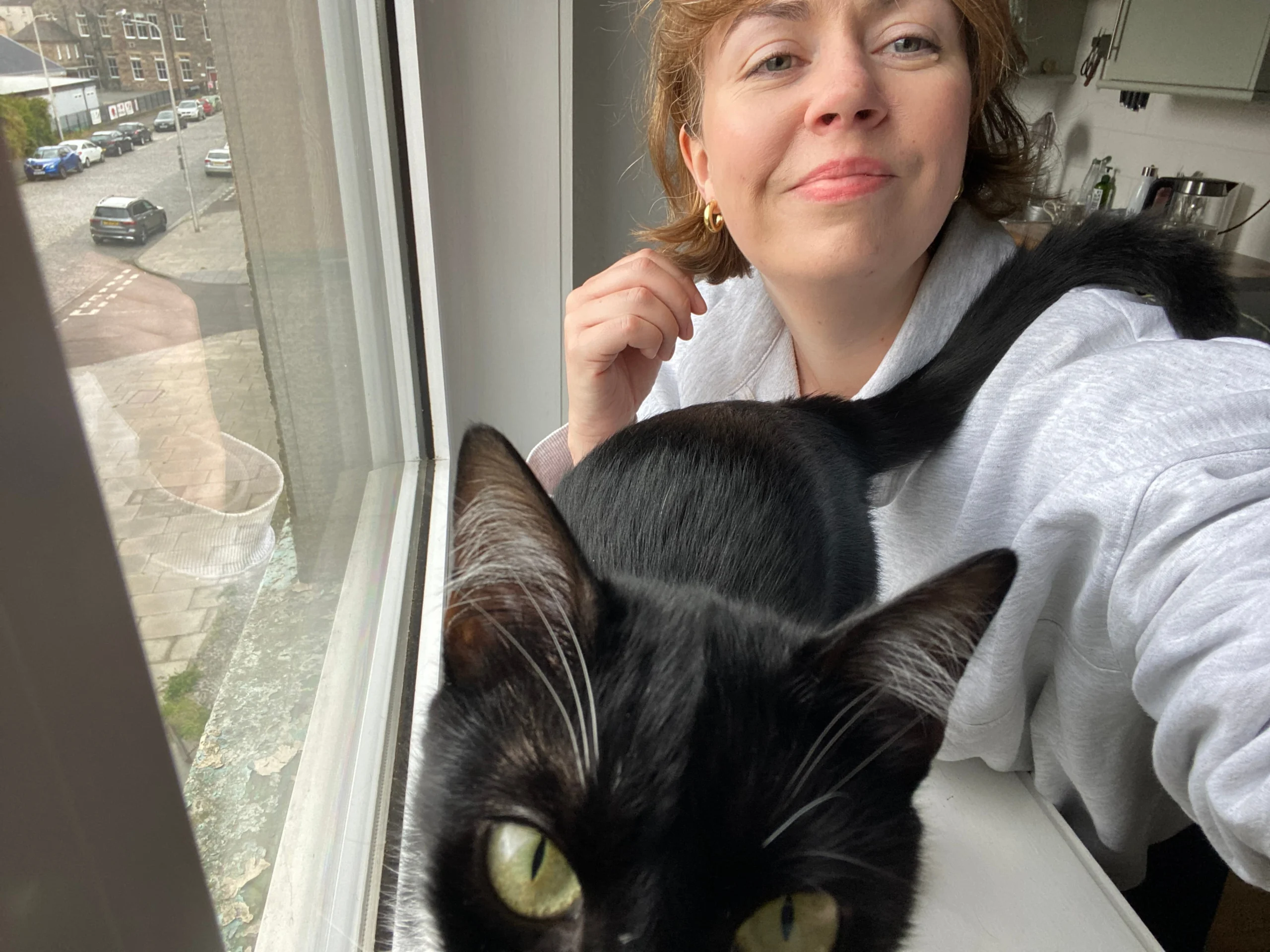
Despite this, I still think house sitting is a wonderful way to travel. It offers a unique opportunity to live like a local, reduce your environmental impact and forge meaningful connections with people and places around the world. While it may not be the right fit for every trip or traveller, I think more options for responsible travel are always going to be a step in the right direction.
P.S. If you fancy trying house sitting, you can get 25% off your first year here!
If you use this link to sign up, I may receive benefits or incentives as part of TrustedHousesitters’ referral program. Using the link is entirely optional, but your support is appreciated. Thank you!
