
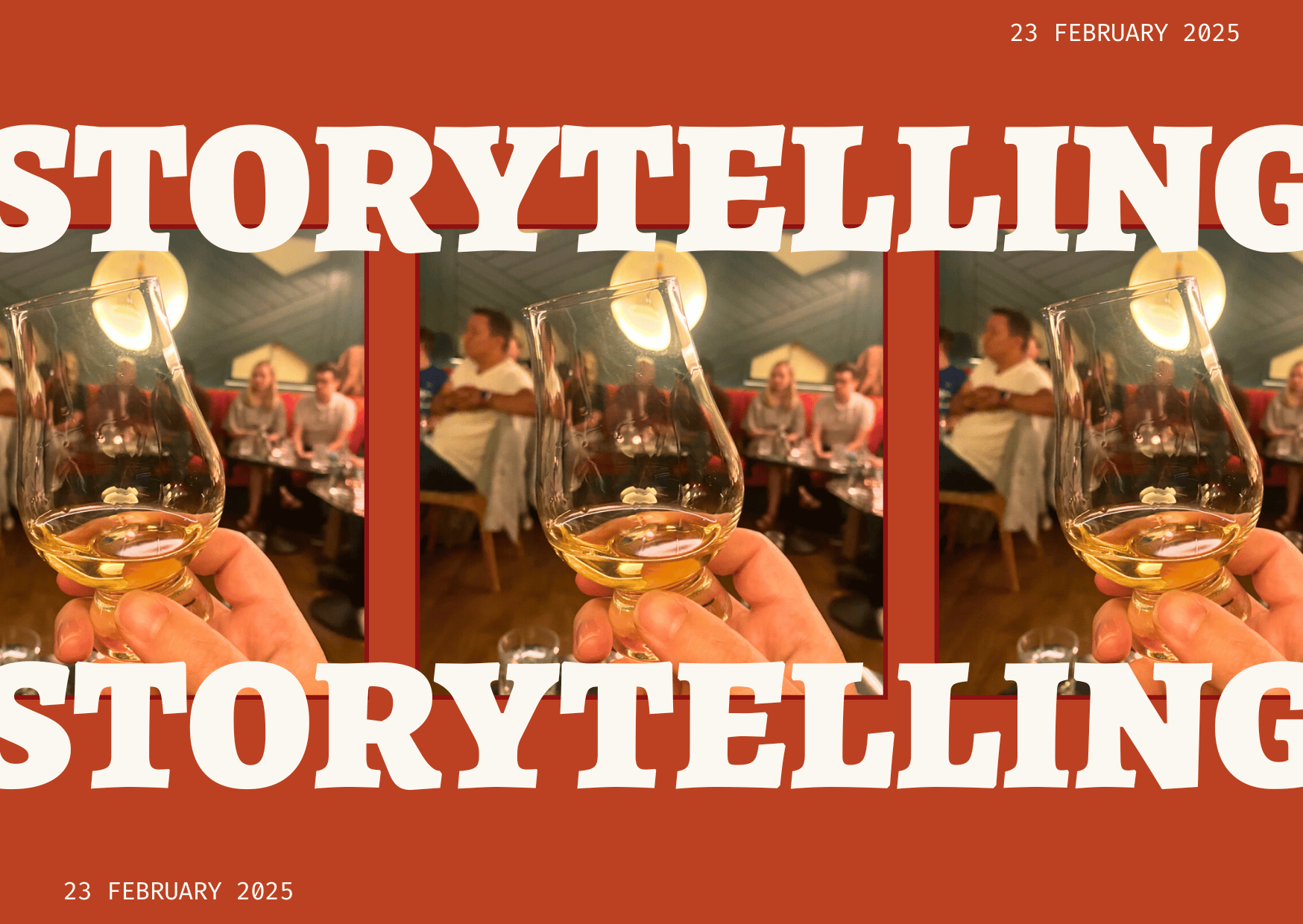
Alastair had a way of opening a bottle of whisky.
He’d lift the bottle with one hand, tossing it to the other, almost as if waking the contents up. A little ritual. Then, with the ease of a man who’d done it a thousand times before, he’d grip the cork with his teeth and give it a firm pull.
POP!
When he retired, his colleagues gifted him the finest bottle of Scotch. One so special, so rare, that his wife wouldn’t let him drink it. “Save it for a special occasion,” she said. So, he did. Through birthdays, anniversaries, family gatherings – he waited. Even when friends came over for a dram, he reached for a different bottle.
The years passed, and that prized bottle gathered dust. It became a fixture on the shelf, a symbol of waiting for the perfect moment.
But life doesn’t always wait.
And when Alastair passed away, his wife stood in front of the cabinet, staring at the untouched bottle. A prickle of regret settled in her chest. “What were we waiting for?”
(I know – this is sad, right?)
With a sigh, she finally pulled out the Scotch, gathered everyone around, and poured a glass in his honour.
The room went quiet.
She raised the glass to her lips. Took a sip. And immediately spat it out.
Because Alastair had polished off the whisky years ago and replaced it with tea.
Are you smiling?!
That’s because stories make us feel things. They also make us remember. I was told this story by Alastair’s grandson at a whisky and folklore experience in Edinburgh.
But do I remember the names of the whisky I sampled? No.
Do I remember the regions they came from? Not a clue.
Do I remember what “single malt” means? Not even slightly.
But I do remember the host describing how his grandfather opened a bottle of whisky. That he would grasp the cork with his teeth and give it a firm pull.
𝗣𝗢𝗣!
My lack of memory for the facts and figures isn’t because I’d had four drams of whisky. It’s because I only remember the story.
So why aren’t you telling more stories?
What is brand storytelling?
Brand storytelling is the art of using narrative to create an emotional connection with your audience. Tapping into real moments that showcase who you are, what you stand for and why your audience should care.
Too many businesses focus on listing features, awards and technical specifications, thinking that’s what convinces people to buy. But when was the last time a specification made you feel something? When did a bullet-pointed list of features last make you smile?
Stories are different. They slip past our professional defences and connect directly with what makes us human. They make us feel, remember and share.
Big brands understand this.
John Lewis is a great example of brand storytelling, with its annual Christmas advert pulling at our heartstrings and building excitement around the brand. Compare the Market also nails brand storytelling by using lovable meerkat characters to make price comparison less boring and more memorable.
So how do you tell stories that people actually care about?

Start with your why
Before diving into the mechanics of storytelling, you need to know what story to tell. And that starts with your ‘why’.
Your why isn’t about what you do or how you do it. It’s about why you exist – the purpose that drives everything else. It’s the belief that makes you show up every day. The change you want to see in the world.
For that whisky experience, their why wasn’t about selling whisky – it was about preserving and sharing Scottish heritage through stories passed down through generations. The whisky was just the medium for something much more meaningful.
When you know your why:
- Your stories flow naturally because they’re grounded in truth
- Your audience connects with your purpose, not just your product
- Your brand becomes about something bigger than what you sell
If you’re not sure where to start, try this brand storytelling exercise to find your why.
Brand storytelling tips
Knowing that storytelling is powerful is one thing – using it effectively in your brand is another.
It’s easy to think “We don’t have stories like that” or “Our industry isn’t that exciting”, but the truth is, every brand has stories worth telling. They don’t need to be dramatic or sweeping, cinematic narratives. They just need to be real, human and meaningful to your audience.
Here are some simple ways to start weaving storytelling into your brand messaging.
1. Find the emotion
While facts and features matter, they’re not what people remember. They remember how you made them feel. So don’t forget to also show them how it feels to experience your product or service.
- The confidence they got from wearing your clothes
- The freedom they felt using your travel service
- The relief they experienced when your solution solved their problem
2. Add those juicy details
Notice how specific details make a story real: Alastair tossing the bottle from hand to hand, the dust gathering on the glass, that final surprising sip of tea. Your brand stories need:
- Sensory details that create vivid scenes
- Human moments that feel real
- Specific details that reinforce your message
3. Build a bit of tension
Good stories hold our attention because they create anticipation. Will they open the bottle? What makes a moment special enough? Your brand stories should:
- Build natural suspense
- Create moments of anticipation
- Deliver a satisfying resolution
4. Give the flaws centre stage
The story works because it feels genuine, complete with human flaws and unexpected twists. Your brand storytelling should:
- Show vulnerability where appropriate
- Include genuine challenges
- Celebrate imperfect moments
5. Make your audience number one
Too many brands make themselves the star of the story. We do this. We’ve won that. We’ve been in business since 1985. But your audience cares about themselves. They want to see how your brand fits into their life.
Instead of saying, We sell the best travel experiences, tell the story of a solo traveller who found themselves in a tiny Parisian café, sharing wine with strangers.
Instead of saying, Our skincare is scientifically formulated for hydration, tell the story of a woman who spent years battling dry skin until she found the one product that finally helped.

Your story isn’t just a nice-to-have, it’s what makes people care. And when people care, they act. They show up, invest, support.
So when you’re crafting your next piece of marketing, stop thinking about what you want to tell people. Start thinking about how you want to make them feel. Because without Alastair’s story, my whisky experience would have been just another tasting – one of many in Edinburgh.
Instead, I’m here sharing it with you, recommending it to others and eager to return. That’s what great brand storytelling does – it turns customers into advocates who’ll want to share your story long after the interaction is over.
If you’d like to chat about how to add more stories to your marketing, give me a shout! I’d love to help.
